Feed Our People Project

UPRISE Collective’s Feed Our People Project is growing and evolving. It was started as a way to support community members with targeted identities who embody resistance in change spaces. It has included supporting the distribution of Community Care Kits for marginalized community members as well as Meals for Organizers, which is our way of supporting the people doing social change work and most recently our Liberation Garden.
FOPP is now moving into more dedicated Food Sovereignty work with the goal to have a learning garden with traditional Indigenous medicines at our new office location, workshops for food harvesting, preparation and preservation and partnering with Black and Indigenous Food networks in Oregon and Washington.
“We are connected to the land, we come from the land and return to the land, we need to care for her as she cares for us.”
Food Sovereignty

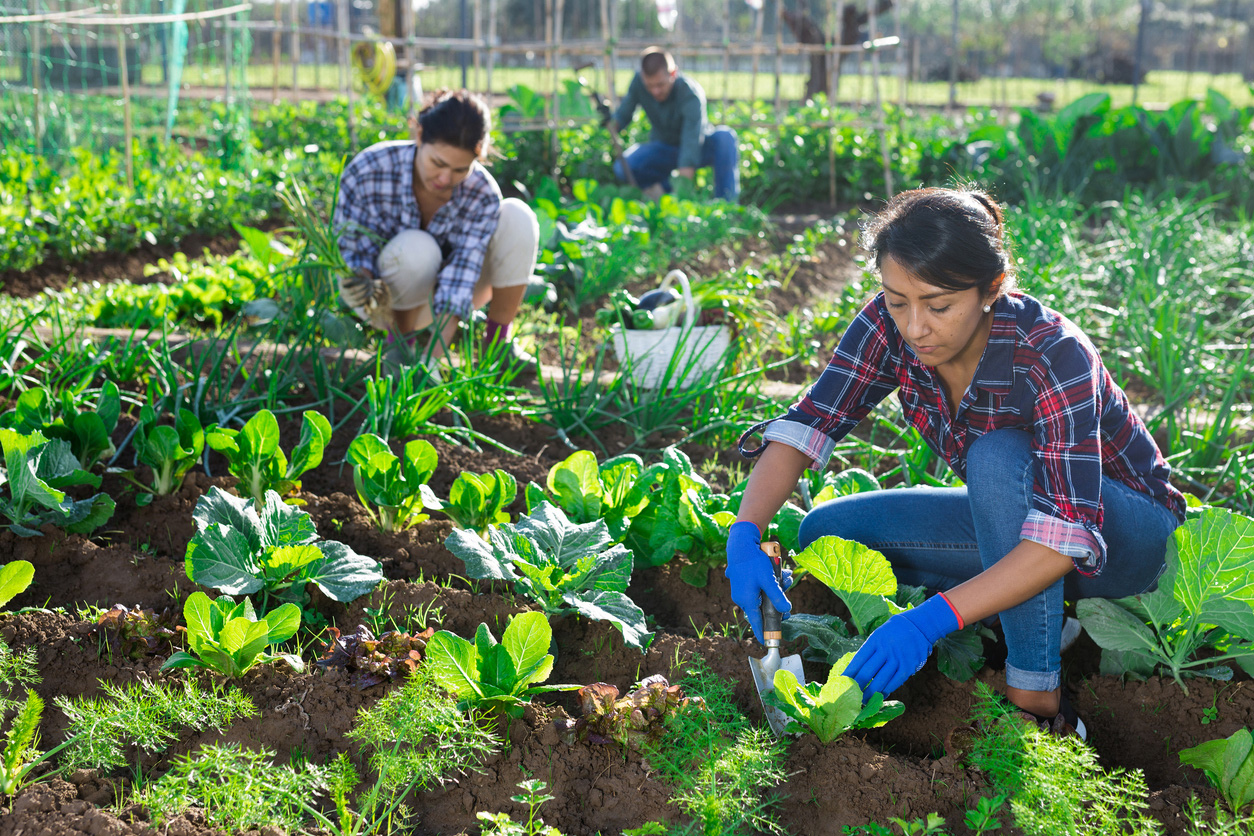
UPRISE Learning Garden: A community learning garden that will teach traditional Indigenous medicine plants and harvesting practices
Liberation Garden Project: A community based participatory process for building an accessible framework for accessible growing spaces and food sovereignty practices.
Auntie Wisdom Workshops: Community workshops that will teach people how to plant, harvest, prepare and preserve Indigenous Medicines and Food
The Wellspring Framework
The work of the Liberation Garden and the Auntie Wisdom Workshops are primarily funded through Portland Clean Energy Fund, PCEF. We are so grateful for this funding opportunity and the work that went into our planning process and now our implementation work. We knew this work needed an Indigenous lens and to pull together Black and Indigenous cultural ways of knowing and tending to the land, plants and plant medicines. That is where The Wellspring Framework came to life. This framework came from many hands, many stories, and many ways of knowing. It is grounded in lived practice, community responsibility, and a commitment to tending land and people together.
There are few community spaces where the intersection of race, ability, class, neuro and environmental trauma, gender, and sexuality come together to unshroud the intentionally designed systems of oppression, and co-create something that can recognize the uniqueness and strengths of each community in moving us closer to liberation.
Our Designing for Liberation; Disability Justice framework is grounded in the lived wisdom of the people it is meant to serve. Designing spaces that honor the full cycle of life means centering the wisdom of elders alongside the creativity, imagination, and urgency of young people. Each generation carries unique teachings about care, sustainability, and survival, and our agricultural practices are strongest when tradition and innovation are held together.
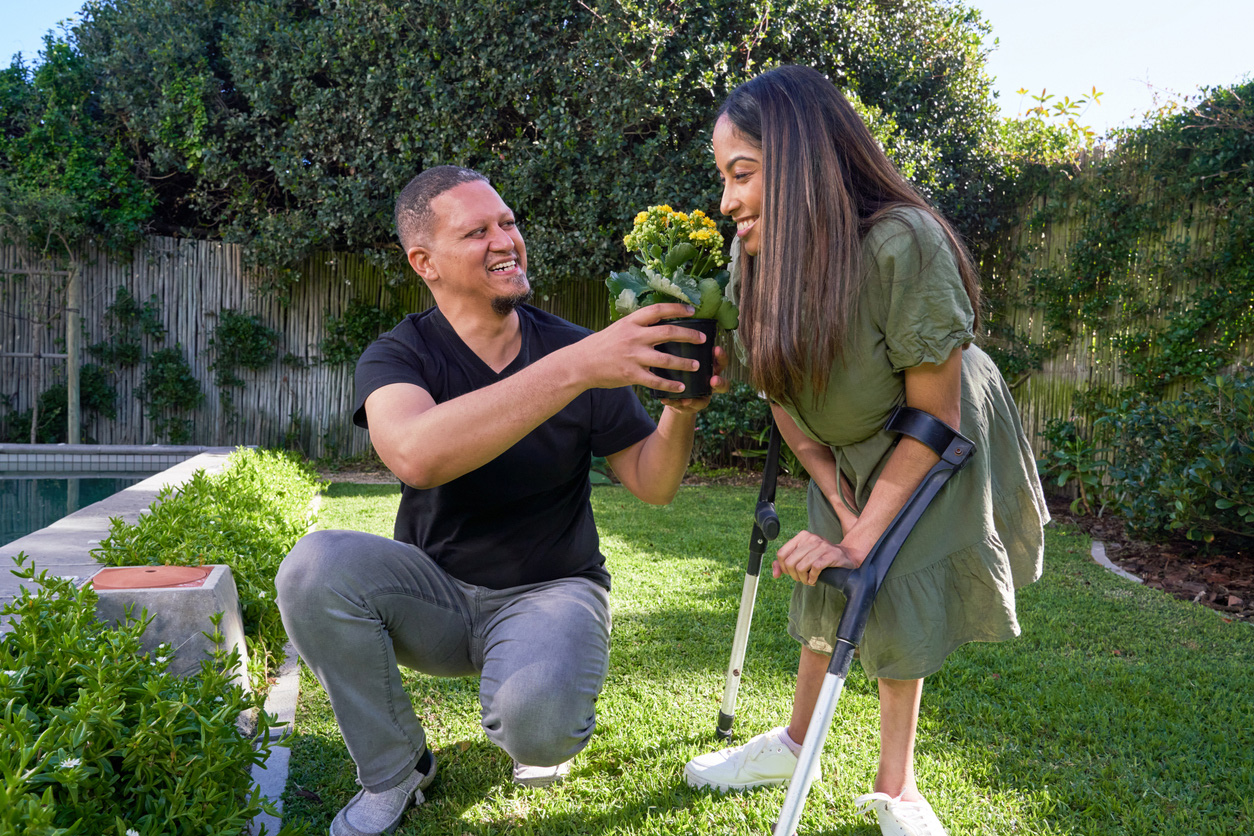
Disability justice is not a secondary consideration in this work, it is foundational. Seventy-four percent of survey participants, and over 90% of those engaged in meaning-making and work sessions, identified as disabled. More than half of our shared community wisdom came from individuals who identified as LGBTQ2. The depth of participation from people living at the intersections of disability, Blackness, and Indigeneity makes clear what our communities have long known: accessible, welcoming spaces are not a “special accommodation,” but a necessary condition for collective thriving.
As we move toward regenerative practices that include people at every stage of life and ability, we carry these stories with us. Designing for Liberation means listening deeply, honoring every identity, and building futures where both the land and the people who care for it are able to flourish together.
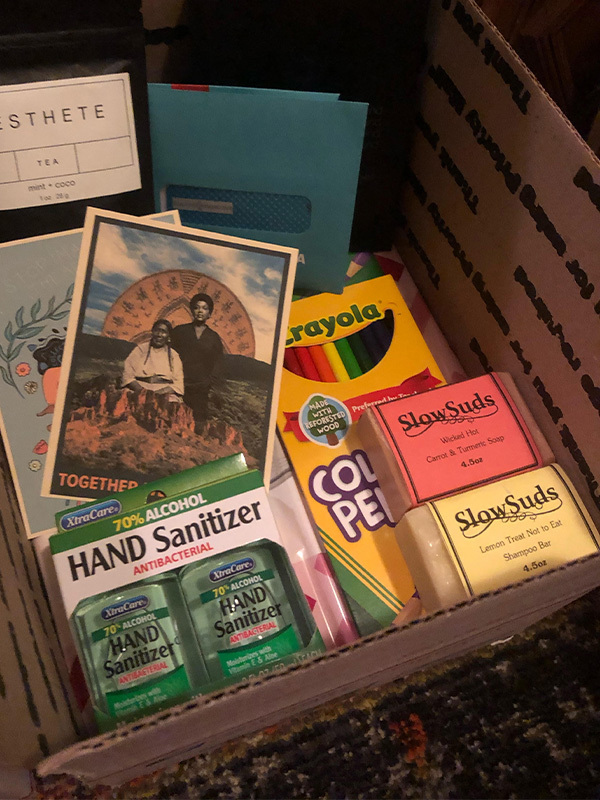
Community Care Kits
A way to support community members with targeted identities who embody resistance in change spaces. This growing community programming includes;
Care Kits: Mailed packages for folks who are doing the hard work of supporting our communities in reaching liberation.
Trans Care Kits: Mailed packages for Trans folks to support every day personal care, survival and mental health care.
Meals for Organizers
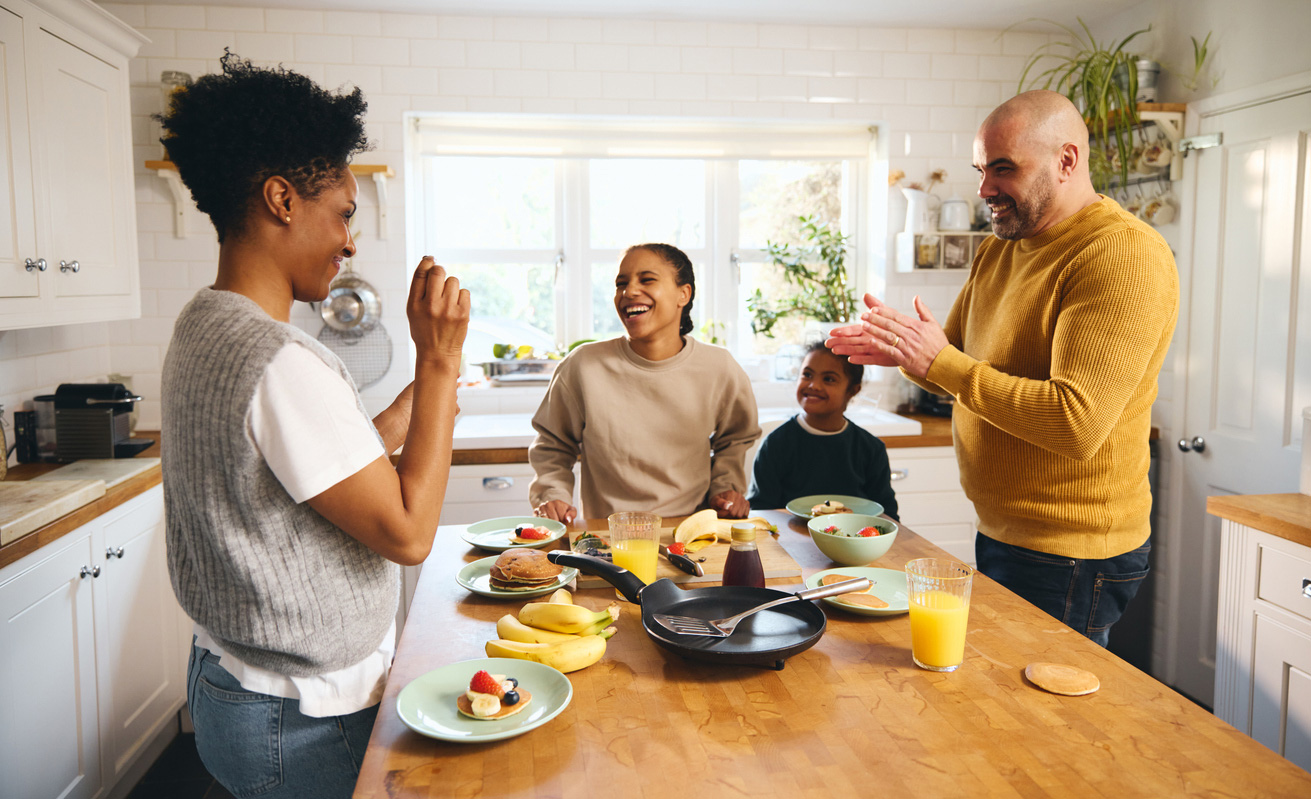
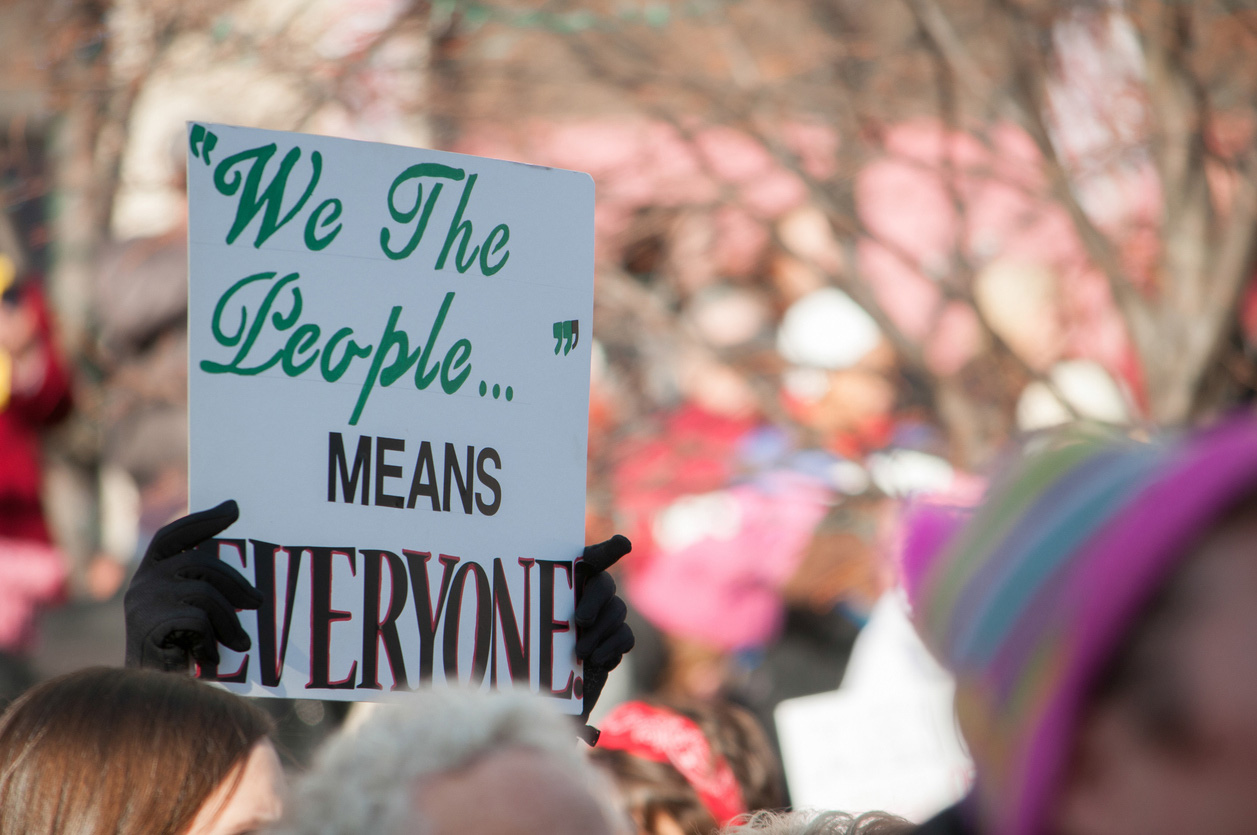
An important way to show respect and care for our community is often through feeding people. This is cultural, this is mutual aid this is community love. Our Meals for Organizers provides meals or meal cards for people on the front lines of social changes, no matter their role. They work tirelessly to bring the changes that benefit us all. Making sure we can return the love is how we continue to keep us safe and moving forward.