Our Organization

Founded in 2018, The UPRISE Collective is a Black and Indigenous nonprofit and membership based organization led by and for BIPOC, Queer/Trans and Disabled community. Firmly planted at the intersections of identities, we center intrinsic community knowledge, power, and survivance. The liminal spaces we create center the idea that we don’t need anyone to save us, because we’ve always known how to save ourselves.
UPRISE’s core work as a Black and Indigenous organization is to meet our communities where they are. We listen to the changing needs and work to make systemic changes that can eliminate barriers for people with targeted identities.
Our 4 Pillars of Work

Our in-systems harm reduction work where we provide training, technical support, educational tools and curriculum to organizations, coalitions, and community groups to advance liberatory practices within their work.
• Organizational and Educational Equity Training
• Consultation on Equity Plans, Statements, and Lenses
• Policy and Curriculum Review
• Assessment and Data Analysis
Our community programming where we utilize lived experience, community conversations and knowledge to connect, grow and support each other. UPRISE hosts several event series throughout the year.
• Nothing About Us Without Us: Civic Engagement Series
• Community Conversations: Building Capacity Across Identities
• The Selah Series: Creation Stories, Healing Stories, and Resistance Stories
• KidsRise: Youth Art Programming
• UPRISE Book Club
A way to support community members with targeted identities who embody resistance in change spaces, including mutual aid, restoration and reclamation of land, food soveriegnty and culture.
• Care Kits: Mailed packages for folks who are doing the hard work of supporting our communities in reaching liberation.
• Meals for Organizers: Paying to feed the people doing social change work.
• PCEF Project: A community based participatory process for building an accessible framework for accessible growing spaces.
Supporting the advancement of liberation in Sick and Disabled Communities, including community support, education and holding space to eliminate isolation to improve mental health.
• Community Building: Monthly Coffee Hours
• Community Education: Training, Consultation, and Quarterly Demystifying Disability Speaker Series
• DEP3: Emergency Preparedness Programming and Community Support
Land Acknowledgment
The stolen land we live on in the Portland Metro area are the traditional homelands of the Chinook, Cowlitz, Clackamas, Kalapuya, Molalla, Multnomah, Tualatin, Wasco and many others. A Land Acknowledgement is important beyond the statement itself––it is about acknowledging the original and continued protectors and caretakers of this land, many of whom were and continue to be persecuted as they protect the land and water for all of us. It allows us to sit in gratitude for their energy and commitment to caring for this space and reflects our understanding that we are part of an interconnected web, meaning we are now also responsible for caring for this space for generations to come.
In addition to acknowledging the land and those that have been here since time began, we must also remember our stolen siblings from Africa whose labor built the vast wealth of this country. These two communities and the atrocities committed against them are intrinsically intertwined due to our existence within a white supremacist world. Everything we have is due to stolen land and stolen labor, and every system and institution that impacts our lives is built upon this legacy. It is our job to speak that truth into spaces so that we can begin to heal. However, this acknowledgement is not the end of this conversation. It is not enough to placate ourselves into thinking that because we remember, we have done enough. BIPOC people continue to actively resist the institutions and systems that have set the landscape for our continued targeting. We encourage our white community members to learn more about ways you can actively end the exploitation of Black and Indigenous lives.
Our Team
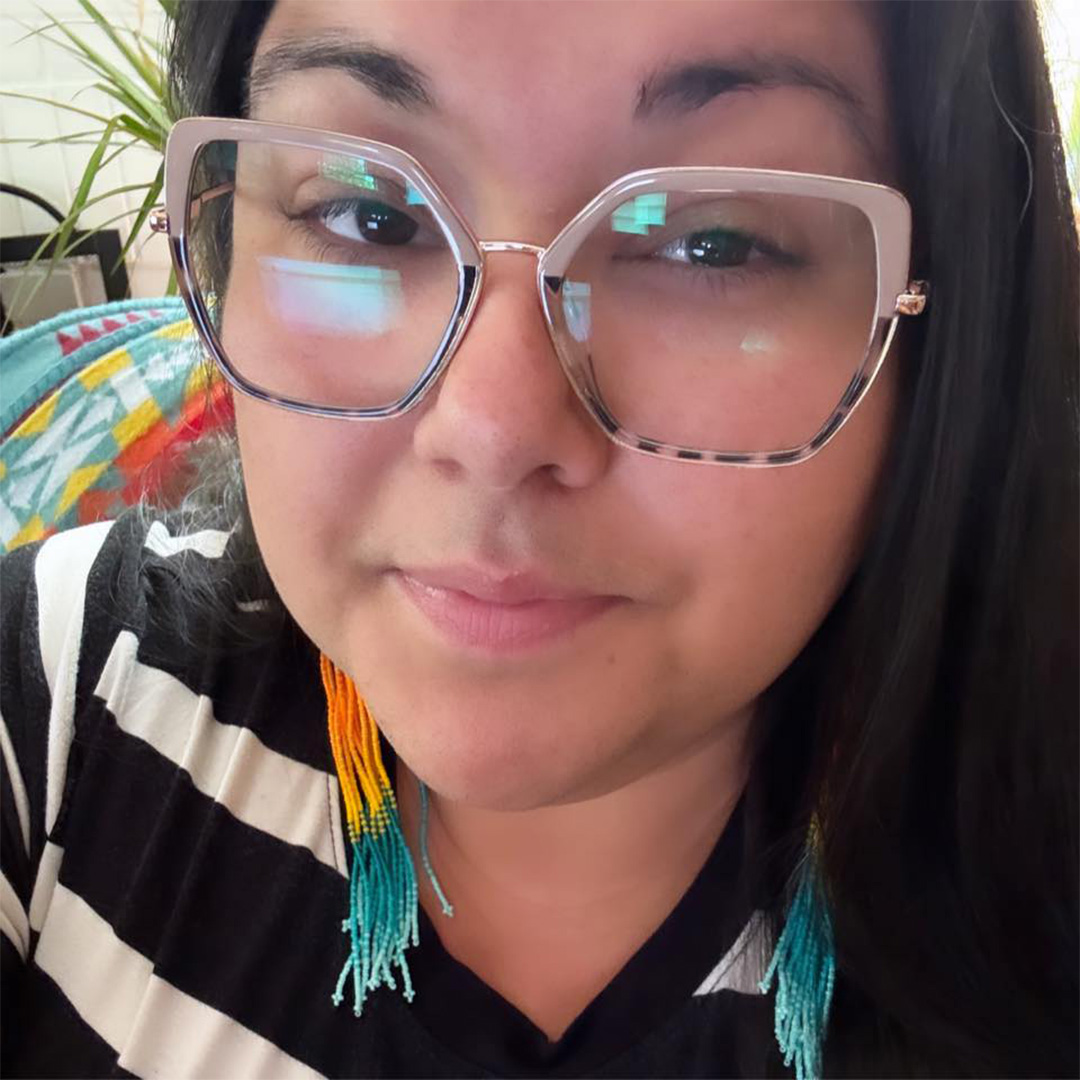
brianna c bragg, MSW (They / Them)
Director of Programming
brianna c bragg, msw, Ihanktonwan
brianna is dedicated to the eradication of oppressive systems utilizing the means of community organizing, civil disobedience, and structural policy shifts. They believe strongly in the need to approach oppressive and inequitable situations with a both/and mindset, looking at these restructure opportunities with a wholist, relational worldview. brianna works to demystify systems and flatten hierarchical structures so they are accessible, and useful to the people while working on the preservation, reclamation, and uplifting of traditional practices and ways of knowing. They have two undergraduate degrees from Portland State University in Social Science (Womxn’s Studies & Sociology) and Child & Family Studies (Early Childhood Education) and a Masters in Social Work (Policy, Leadership, and Community Organizing). Aside from the work at UPRISE, brianna also teaches at Portland State University in the School of Social Work, and practices Macro Social Work in local public health for the Native American/Alaska Native communities, in addition to being one of hosts of the Your Two Spirit Auntie’s podcast. They love to read, write, grow their own food, cook for the community, beading and sewing, crafting of any kind, and a good road trip in the campervan. brianna stays grounded with the help of their partners, little sister, and chosen family.
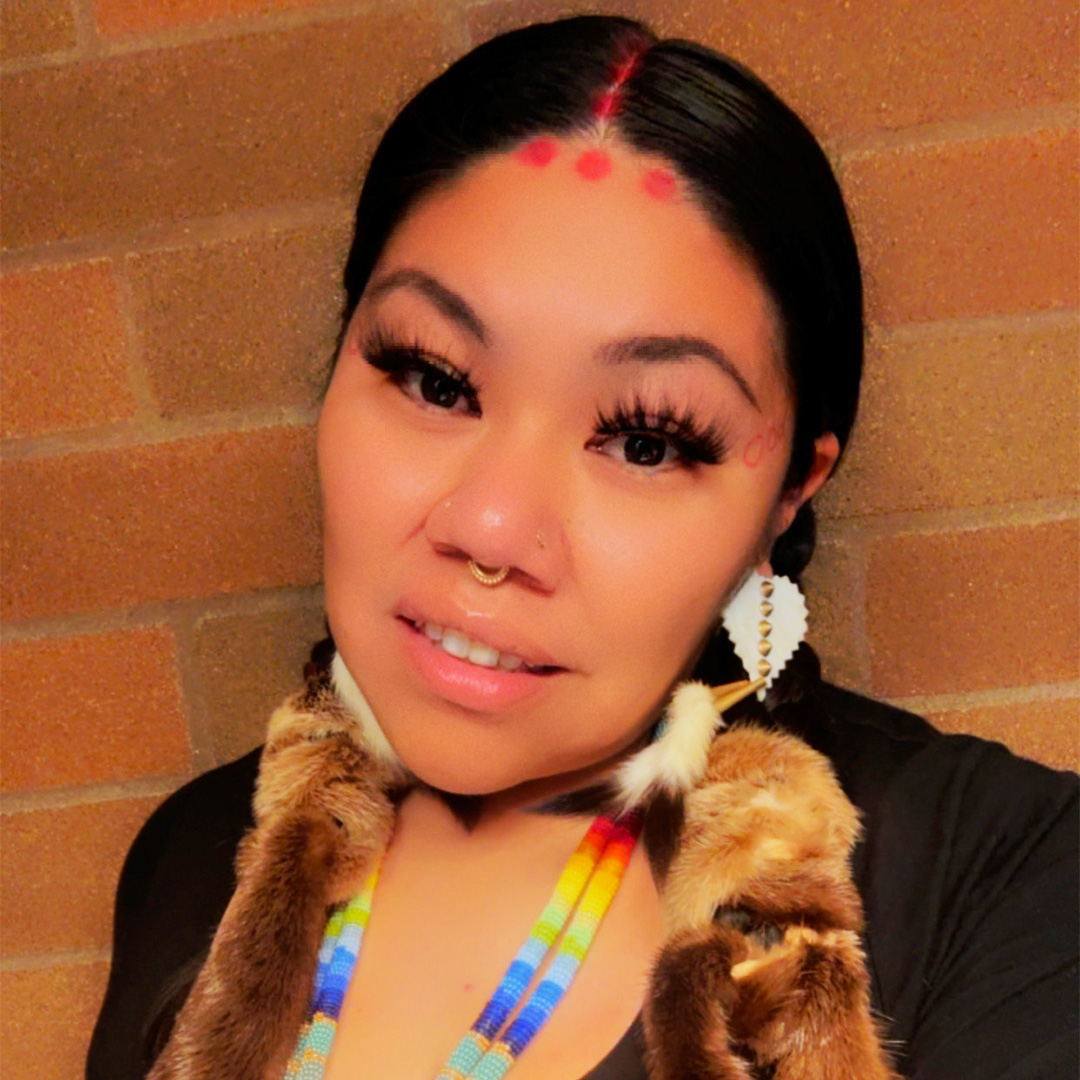
Lucy Racehorse Suppah, (She / Her)
Assistant Director of Feed Our People Project
Lucy Racehorse Suppah (she/her), is an enrolled member of the Confederated Tribes of Warm Springs and half Shoshone Bannock. She grew up on both the Fort Hall Indian Reservation and the Warm Springs Reservation before moving to Portland in 2011. This gave her a unique perspective on challenges many people face within marginalized communities. Over the last decade she has worked professionally in Indigenous food sovereignty, however, she has been immersed personally in Indigenous food sovereignty since she was a little girl. She was raised with the belief that all life forms are relatives, the land, water, plants, and animals that give their lives so that we can thrive today. A belief she still carries to this day. Throughout her professional career she has worked as a community health worker, health educator, Indigenous food sovereignty coordinator and in various administrative capacities as she works to uplift BIPOC and marginalized communities. She is fur momma to her baby Remy who brings joy and light to her life.
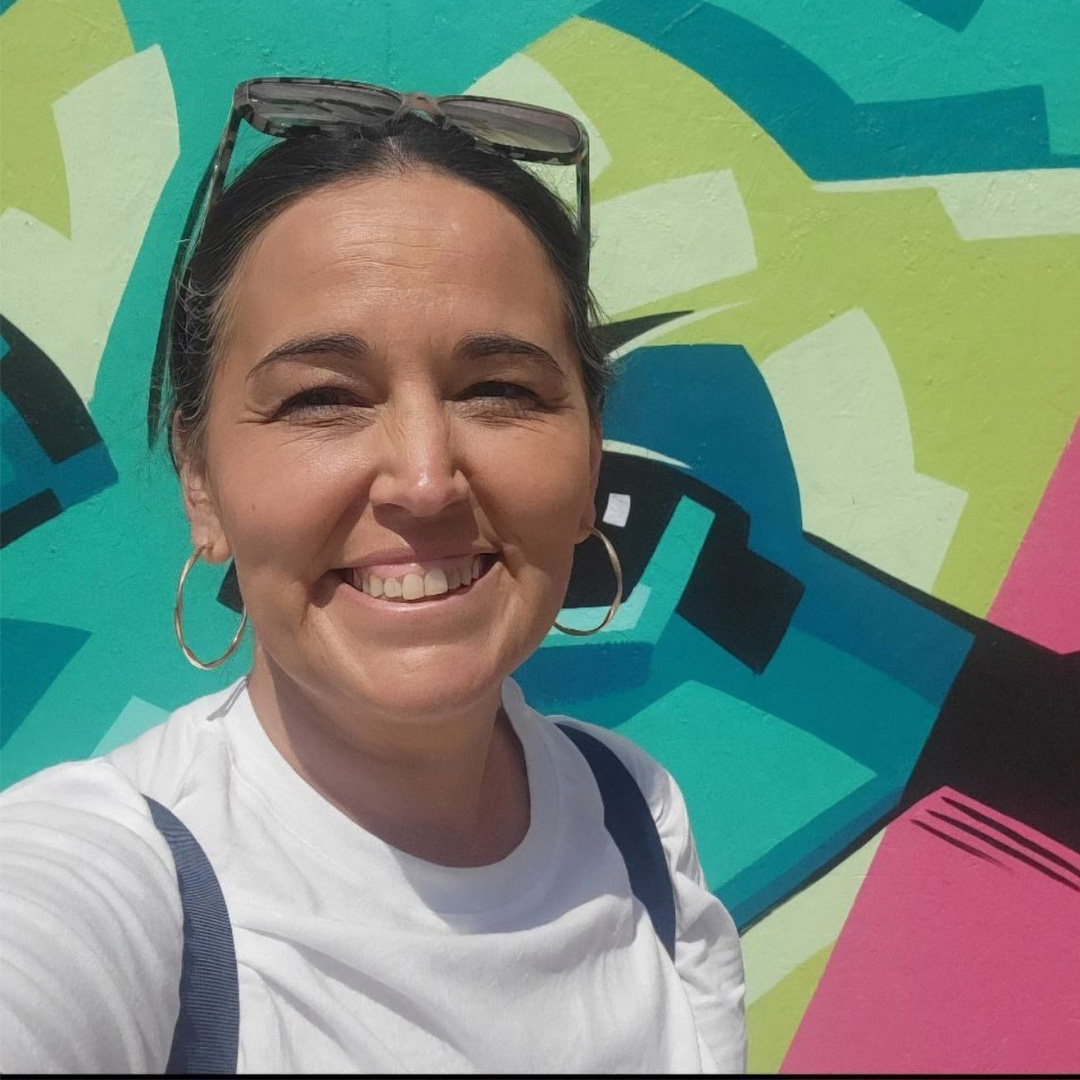
Jennie Brixey, (She / Her)
Assistant Director of Designing for Liberation
Jennie, Chahta Ohoyo loves community health and wellness. She understands the root cause of health disparities faced by our communities to stem from colonization, and solutions to these disparities to be found in the revitalization and re~remebering of traditional foods, medicines, and access and connection to land and each other. She is a founding member of the NW Indigenous Food Sovereignty Alliance, a collective of Indigenous farmers, hunters, food gatherers, and fishers.
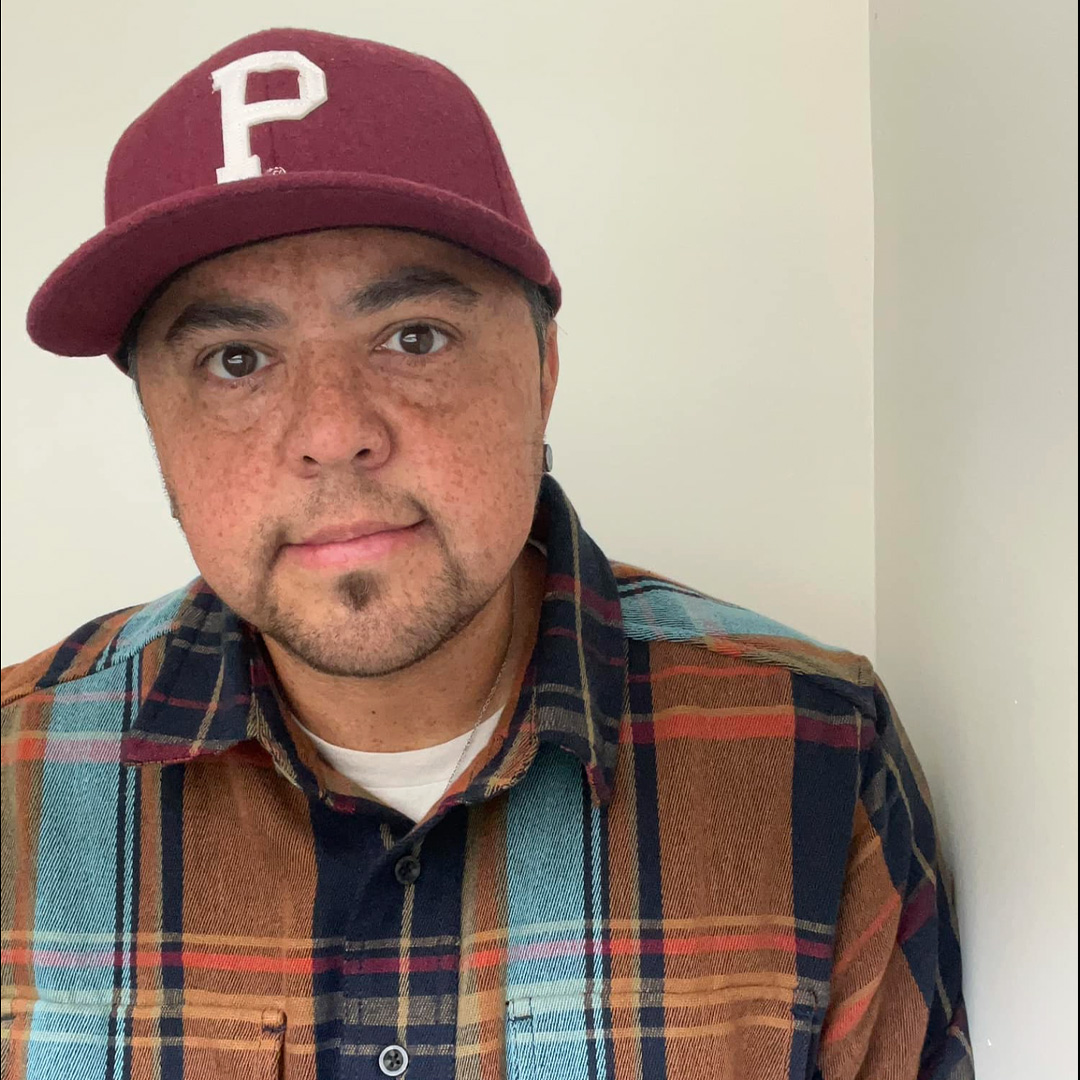
Asa Wright, MFA (He / Him)
Director of Operations
Asa is a citizen of the Klamath Tribes of Chiloquin, Oregon though he has called Portland home for the last 20+ years. He is a Two Spirit, Trans, parent of a college kiddo and pup Emery. Asa is also an artist of many mediums including painting, screen printing, graphic design and cultural arts such as beadwork, making cradleboards and regalia. Asa has a Bachelors degree in Public Health from Portland State University and a Masters degree in Collaborative Design from Pacific NW College of Art.
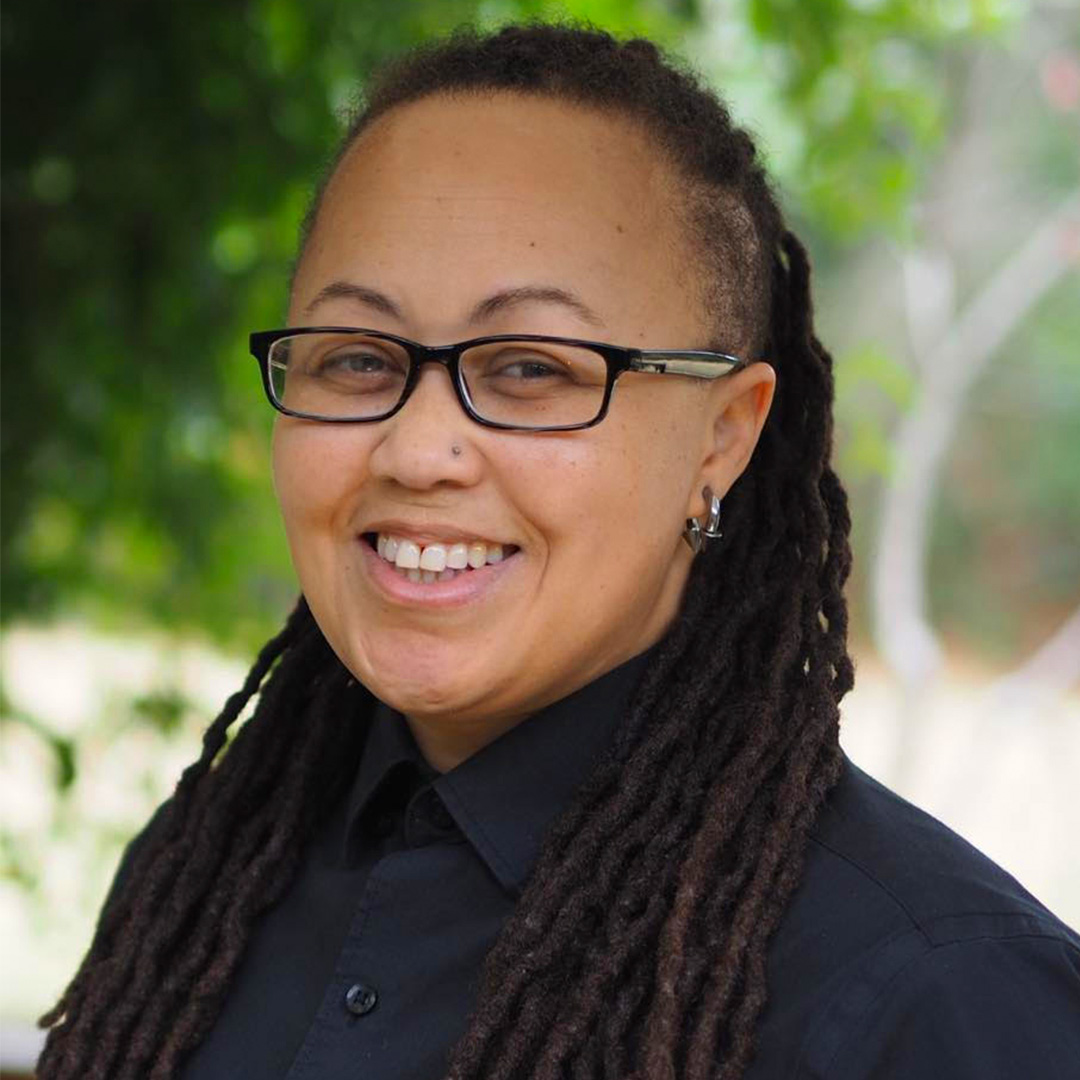
Keara Funchess Rodela, MPH, CHW (They / Them)
Lead Facilitator
Keara is a 2nd-generation Black Oregonian, raised in N.E. Portland, who earned their Master of Public Health in Global Maternal Child Health from Tulane University School of Public Health and Tropical Medicine, and holds their Bachelor of Science in Commujnity Health Education from Portland State University. Keara is a Black, queer woman who is committed to redressing the social determinants of health affecting their communities, utilizing the Community Health Worker model, popular education philosophy, and a Black queer feminist lens. They have held various roles in their 20+ years in the health field, and have the honor of championing the CHW profession through their current role as Health Equity & Community Partnership Director for the Coalition of Community Health Clinics andd leadership team member of the Community Health Worker Center for Research & Evaluation. Keara holds numerous intersectional identities that form their work and academic lives. They are an Applied Anthropology PhD student at Oregon State University who likes to laugh, dance, travel, and spend time with their family and friends.
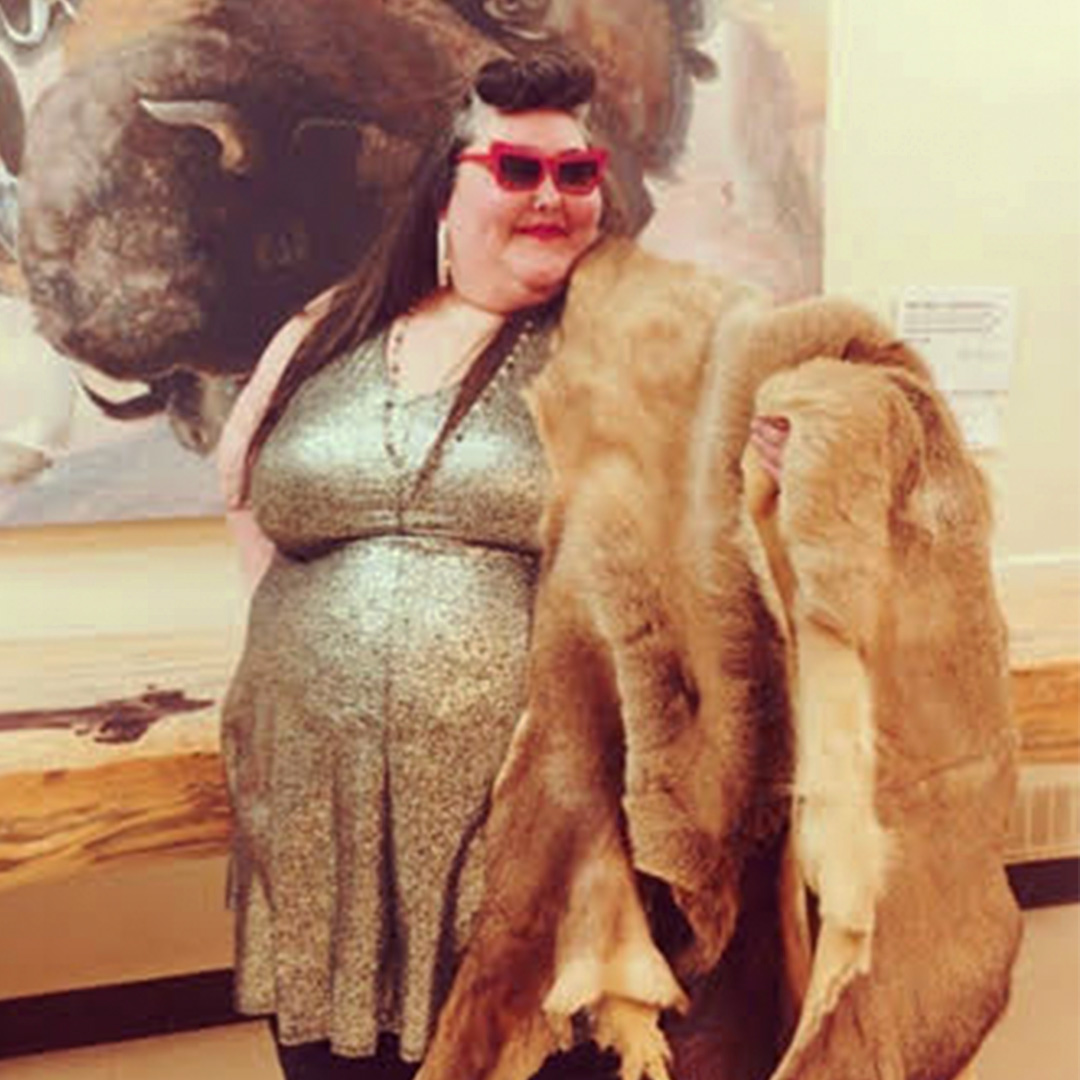
Shilo George, MS (She / They)
Facilitator
Shilo is a Southern Cheyenne-Arapaho and Irish/Scottish international speaker and owner of Łush Kumtux Tumtum Consulting. Her consulting work covers both trauma informed practices and how those practices align with and support anti-racist and anti-oppression work within organizations and communities. They are a community educator with more than twenty years of experience as a social worker with values rooted in Native cultural and spiritual practices. Shilo praises her commununities as the sources of her inspiration, perseverance, and drive. Shilo is committed to continued learning about the effects of trauma on children, adults, and communities of color and how organizations and government systems can and should be supporting the most marginalized and vulnerable in our communities. She received her Bachelor of Science in Art Practices in 2012 and a Masters of Science in Educational Leadership and Policy with a Specialization in Postsecondary and Adult Continuing Education in 2017, both from Portland State University.
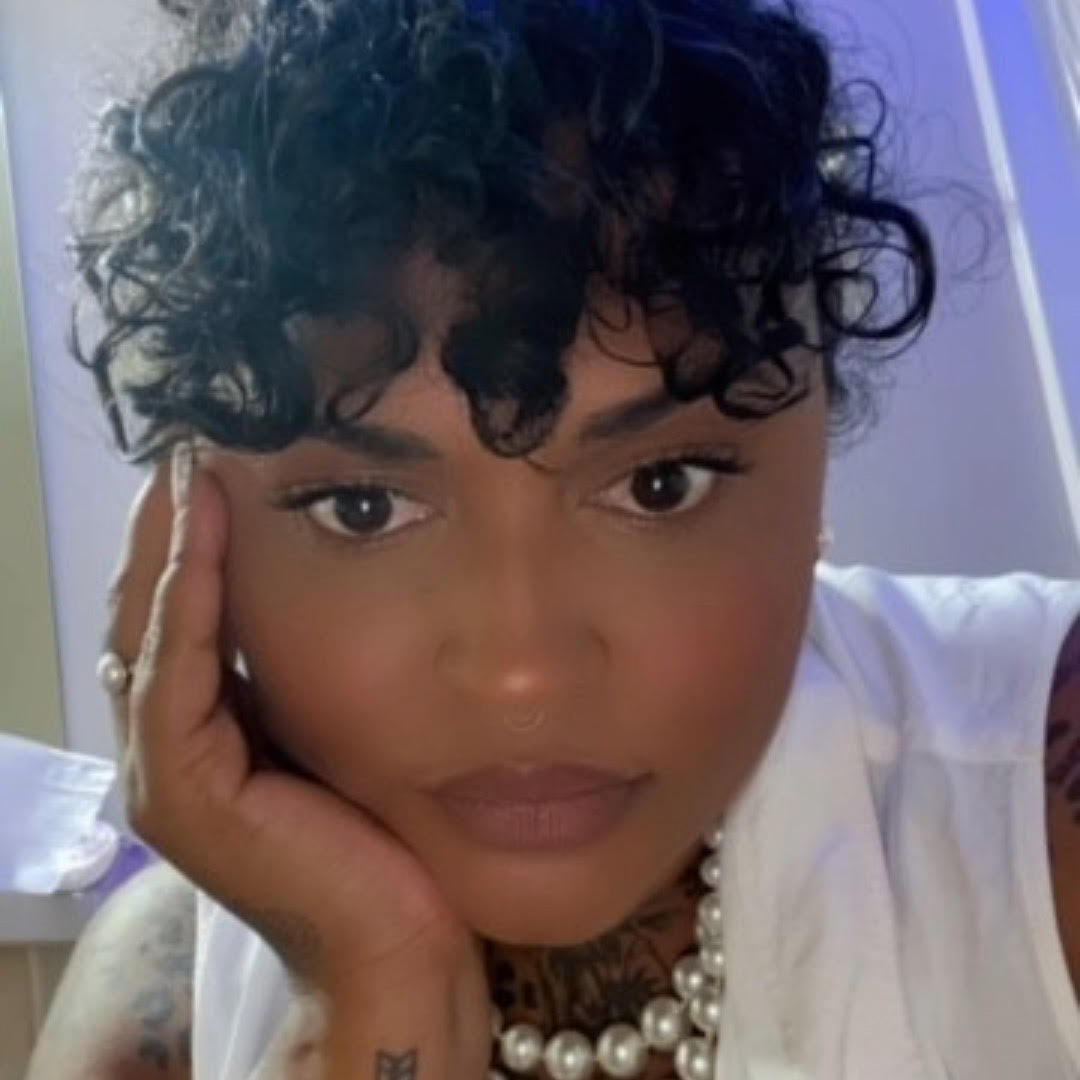
Juli Ray Joy, (She / They)
Facilitator
Juli is a mom, survivor, and racial justice advocate who uses her voice to speak up for change. She is the founder of Black Joy Oregon, a grassroots advocacy group that promotes Black joy, female leadership development, and culture throughout Oregon. Juli Ray has worked in social services, mental health, and community education. She has experience as an organizer in the labor movement, and she has served as committee chair for the Salem-Keizer NAACP. She continues to work tirelessly to advance racial and economic justice locally and across the state in multiple roles, including at Partnership for Safety and Justice. In her off-time, you can find her performing as a singer songwriter and traveling Oregon.
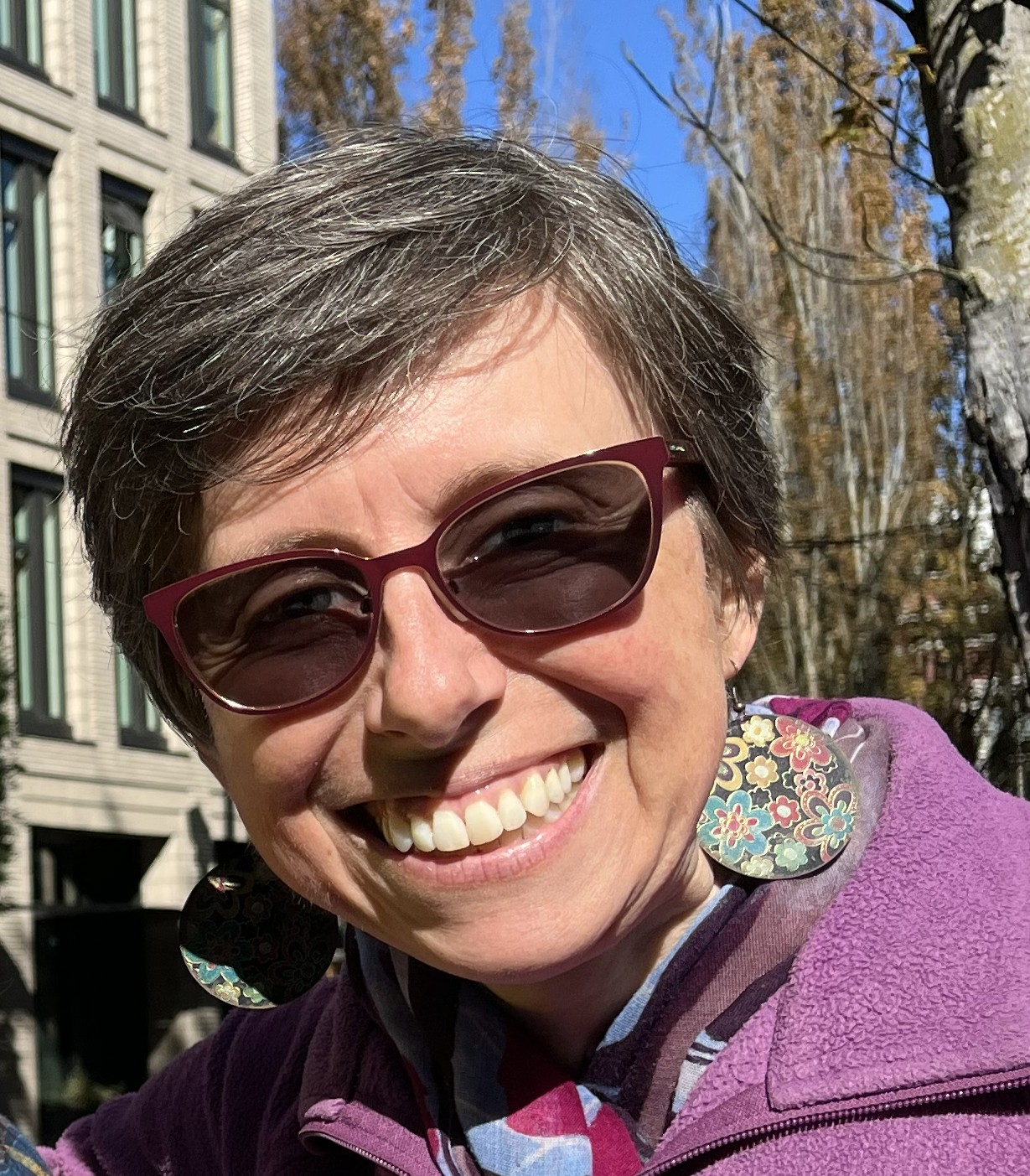
Beth Poteet, MSW (She / Her)
Facilitator
Beth grew up on the unceded lands of the Yakama Nation. As a White-bodied person living on stolen land, Beth is committed to her own work to heal from White Supremacy and accompanies others to do the same. For over 25 years, she has been a community organizer for immigrant, racial, climate, and economic justice. As a public health professional and strategic leader, she has created and facilitated cross-cultural and culturally and population-specific Community Health Worker (CHWs) training locally and nationally. Rooted in the values and practices of popular education, she has trained and mentored CHWs, community members, and local governmental staff to embrace the transformative power of popular education in their work and life. Her unpaid work includes organizing with others to create a world centered in justice for people and the planet.
Beth has degrees in Peace Studies and Social Work, and has taught extensively on social justice and community-based practice. Beyond her professional work, Beth is an active Portland community member, an avid reader, a Zumba enthusiast, and a nature lover who enjoys biking, kayaking, and gardening. She lives with her spouse, their college student, and dog Sophie, and is an adoring auntie.
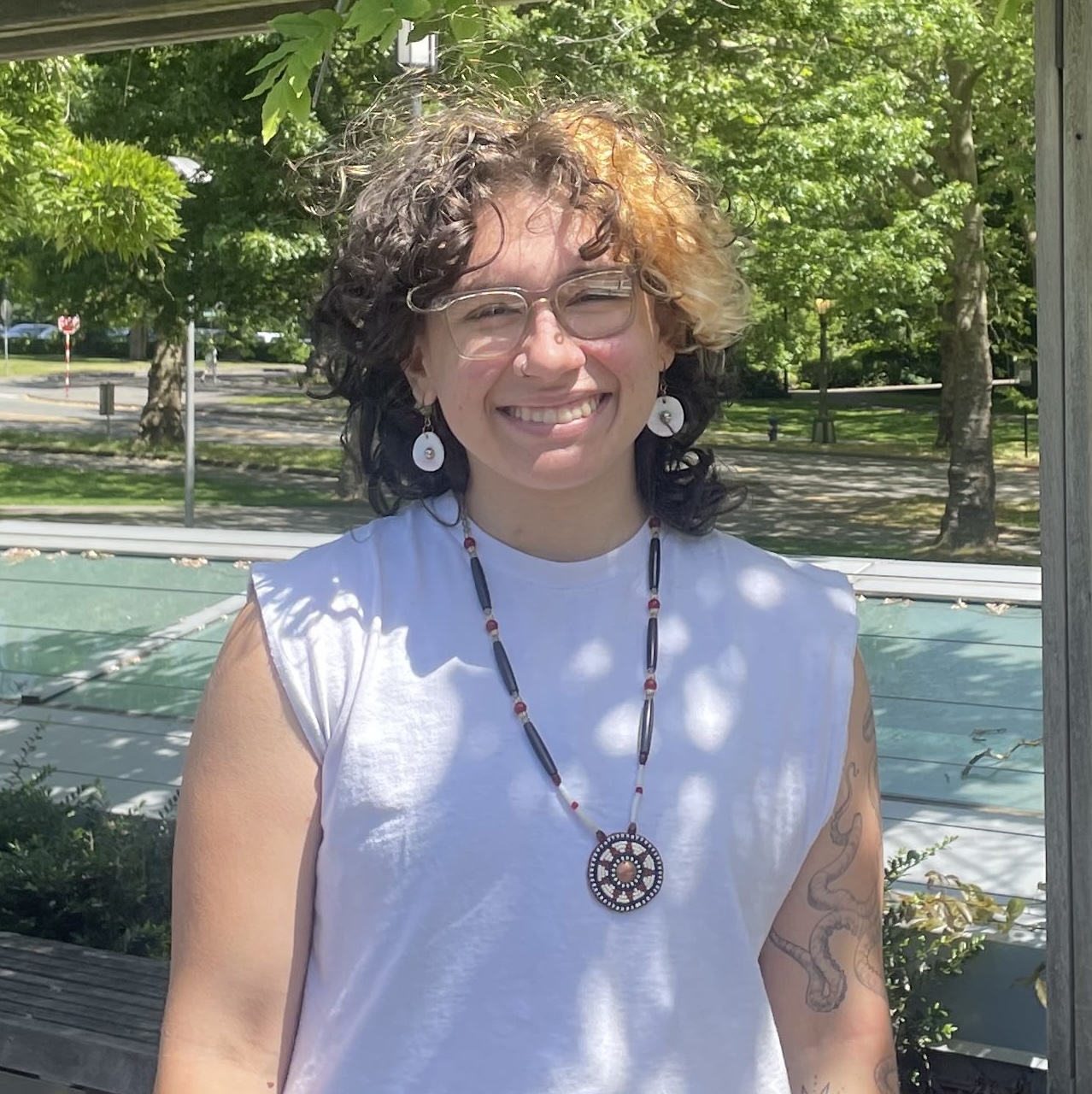
Theo Wright, (He/They)
Administrative Coordinator
Theo is a Klamath and Oglala Lakota, Two-Spirit, Queer, chronically ill and disabled cat dad to Freya. Born and raised in Portland, Oregon, he moved up to Seattle to attend the University of Washington and graduated with a double major in American Indian Studies and Environmental Studies. In their free time, they enjoy powwow dancing, beading, drawing, reading, and nerding out about plants.
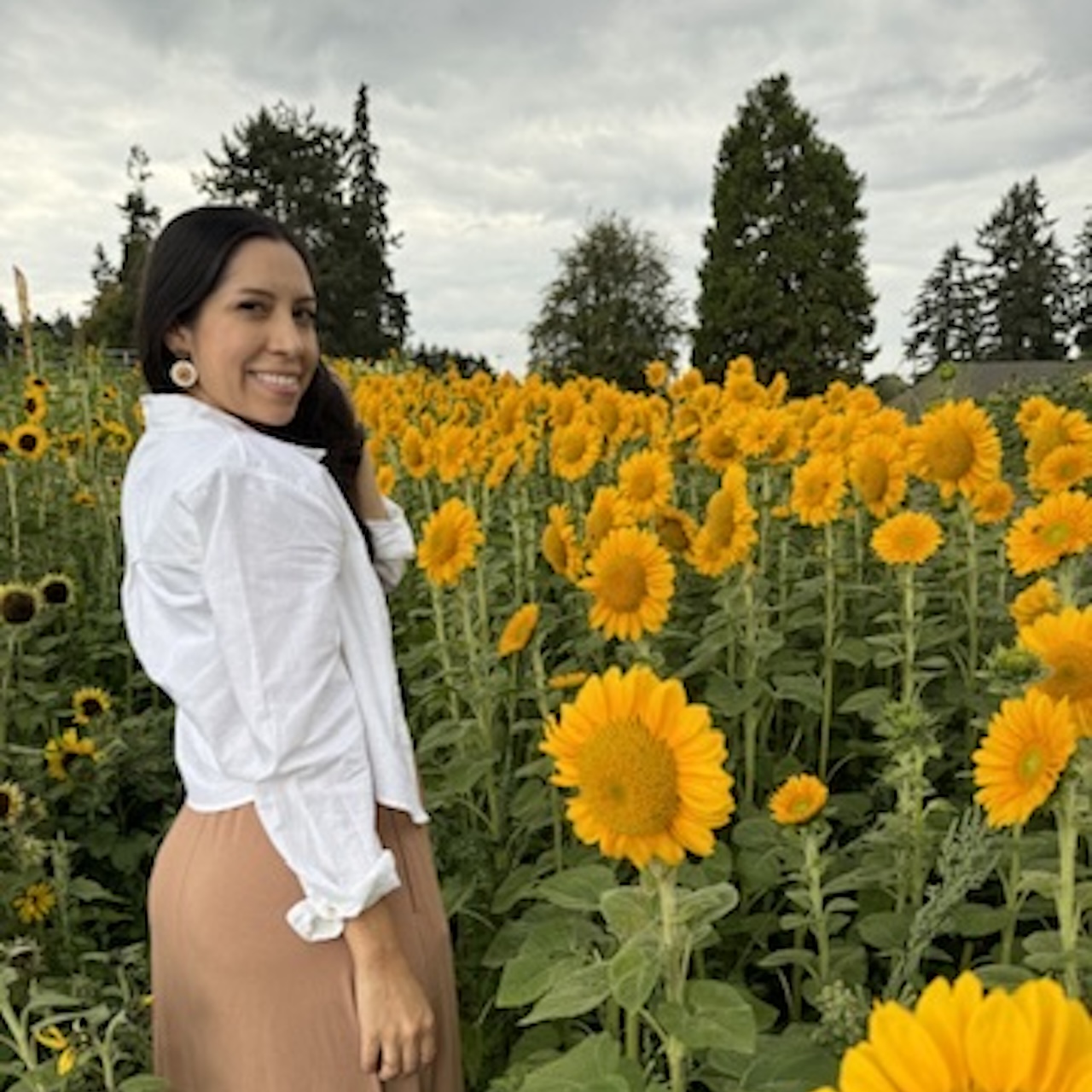
Frida Carolina Endinjok, MPH, PHD (She/Her/Ella)
Administrative Grants Coordinator
Frida is a Latina scholar proud of her Indigenous roots (Coahulieña – Northern Mexico). She has over 10 years of experience developing, implementing, and evaluating community health programs and research projects. She has a bachelor’s in nutrition and dietetics, a masters in public health, and a doctorate in global health. As an educator, she teaches agroecology classes and college courses focused on public health nutrition and civic engagement. Raised in Mexico City, she is 100% bilingual. She enjoys gardening, weaving, and walking in the forest.